
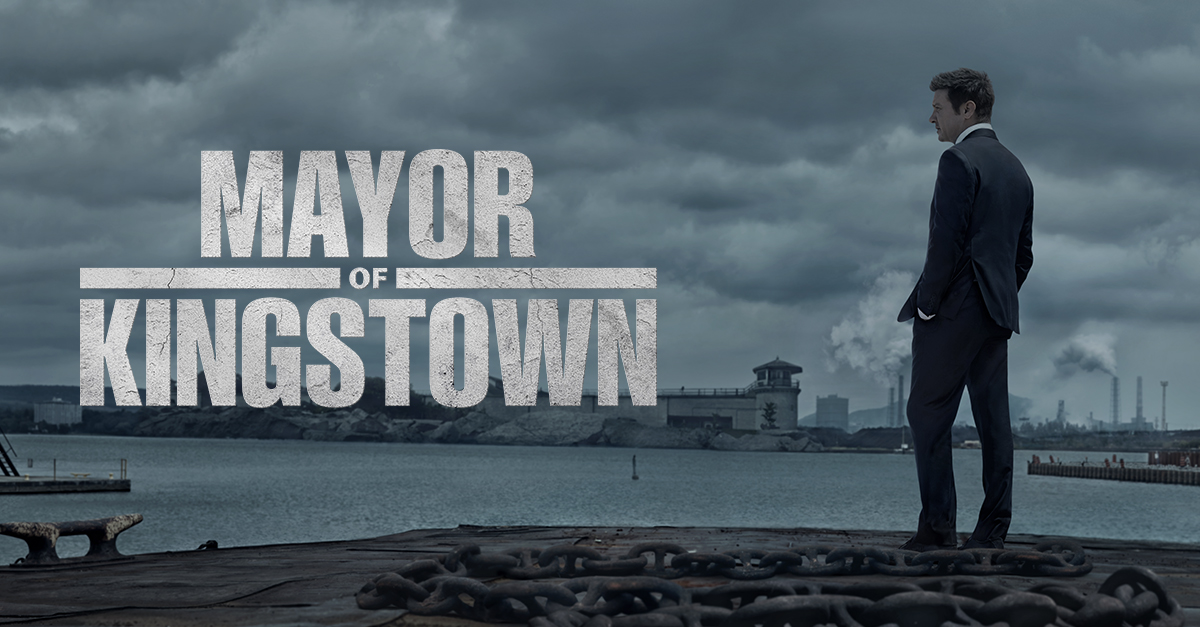
(This post contains mild spoilers)
As my previous post may indicate I enjoyed the show Landman and given that I have a Paramount Plus subscription for two months I thought I would look at their other offerings. I’ve been aware of Mayor of Kingstown since it first aired and I’ve been curious as to what it is. As I mentioned in my Landman post I feel these shows have lackluster trailers and watching them provides little information.
Since watching the three available seasons of Mayor of Kingstown I have seen reviews and articles comparing it to other shows. Mare of Easttown being the most referenced. Mayor of Kingstown has many influences that are apparent, including The Wire and Oz. All of which I think would be helpful to know before watching the show. What none of them conveys is the absolute bleakness of Mayor of Kingstown.
The pilot episode begins with two brothers working as go-betweens for the police, prison guards and prison inmates for the town of Kingstown. Kyle Chandler plays Mitch McLusky, who is the unofficial mayor of Kingstown – in that he’s the guy who can get things done using whispers in a friendly ear and backchannels.

This is an interesting premise, I certainly have not seen this show before and Kyle Chandler may be the most under appreciated actor working today. Watching him be charming and smug, maneuvering others in order to keep the peace of Kingstown was an unexpected delight in the pilot episode.
Alas, it was not meant to be. By episode two he is no longer in the show. The main character, Michael McLusky, played by Jeremy Renner now finds himself trying to fill the shoes of his older brother. It’s an ill fit and even the character recognizes that.
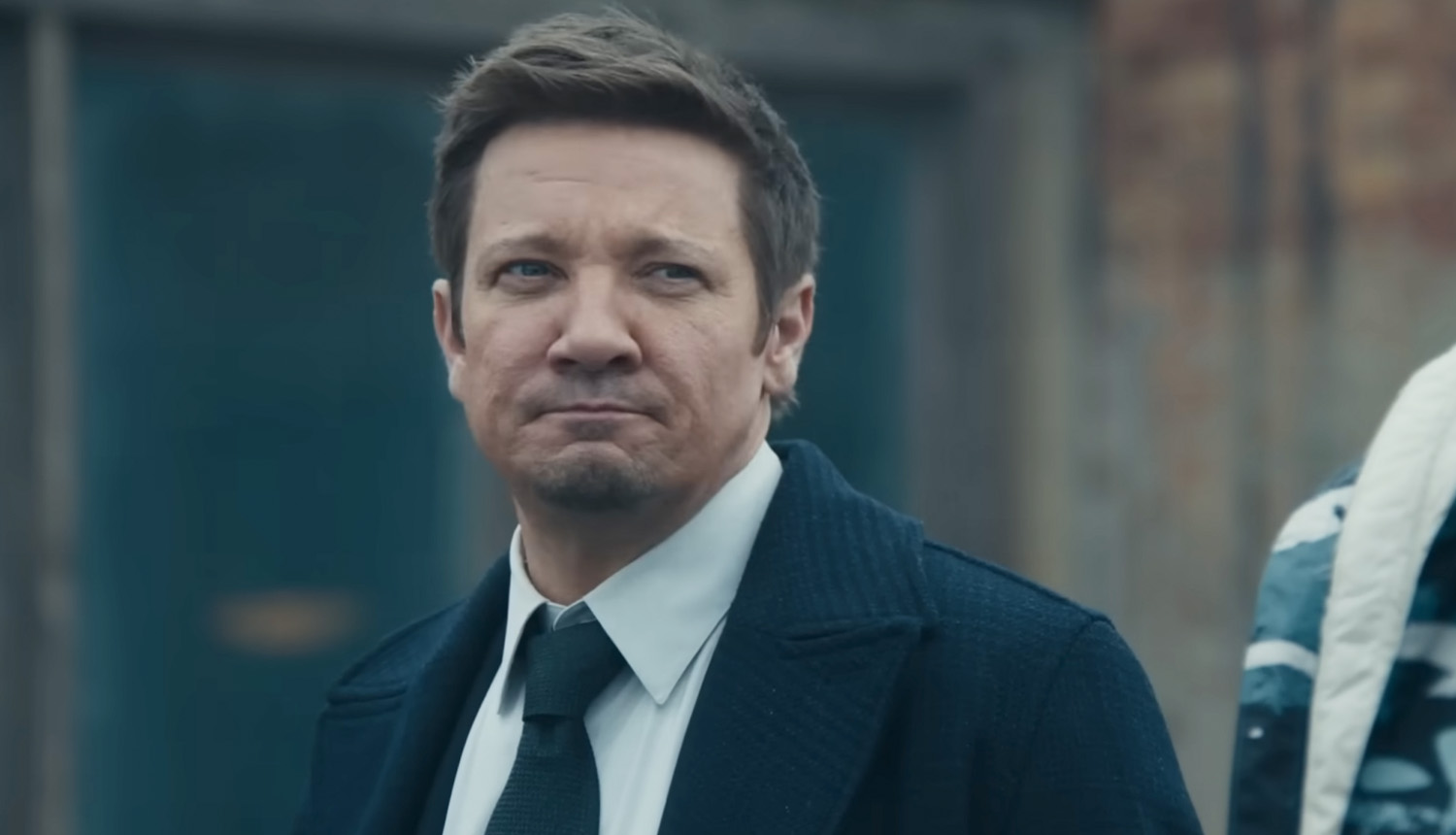
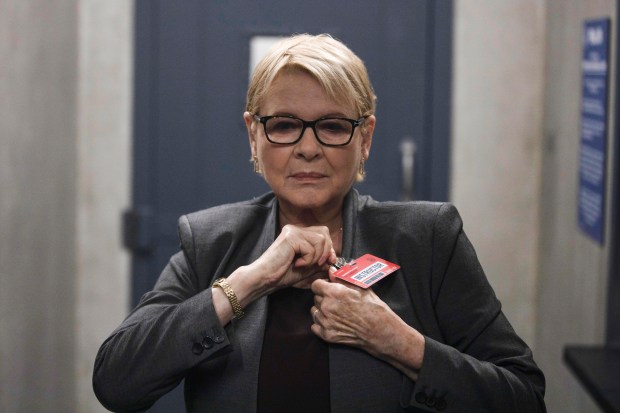
Over the course of the three seasons we get to know several characters well and one of the great achievements of Mayor of Kingstown is convincing the viewers that any of these people are good or likable. I sincerely mean that as a compliment. Aside from Dianne Weist’s character, Miriam McLusky, everyone on this show is morally/ethically/spiritually/legally compromised to such a degree that you come to find the gang leaders warm and fuzzy in their own way (except Rebecca who in many ways reminds me of Marilyn from Northern in Exposure for being perfect in every way).

As I mentioned at the start the show is bleak. I’ve seen plenty of dark, angsty things in my time and few are as hopeless and defeatist as Mayor of Kingstown. The premise of the show, that a town with multiple prisons means everyone who lives there is tied to them in some way, is upfront about this. Many of the issues the prison industrial complex presents are faced, head-on, in Mayor of Kingston.
Which is my roundabout way of saying I understand and appreciate the bleakness, as it feels correct with the story being told. That being said there are few moments of hope or happiness to be found in three seasons and that can make one’s soul weary. I certainly found myself taking breaks, going for a walk and looking at the sunset while watching this show, trying to remind myself that there are in fact nice things in life.

I’d like to conclude with a few words about why I think this is a show worth watching.
First and foremost, Jeremy Renner. In terms of casting, Mayor of Kingstown seems to be on par with the rest of Taylor Sheridan’s shows -exceptional. The character of Michael McLusky is meant to be complicated, not entirely qualified for the role he’s being forced to play and morally grey. For those familiar with Mr. Renner’s work outside of the M.C.U. it is not surprising to see him excel in this role. The backstory of being a former inmate himself, now trying to negotiate with all sides (and getting everyone to do what they should do) makes for interesting and rewarding conflicts.

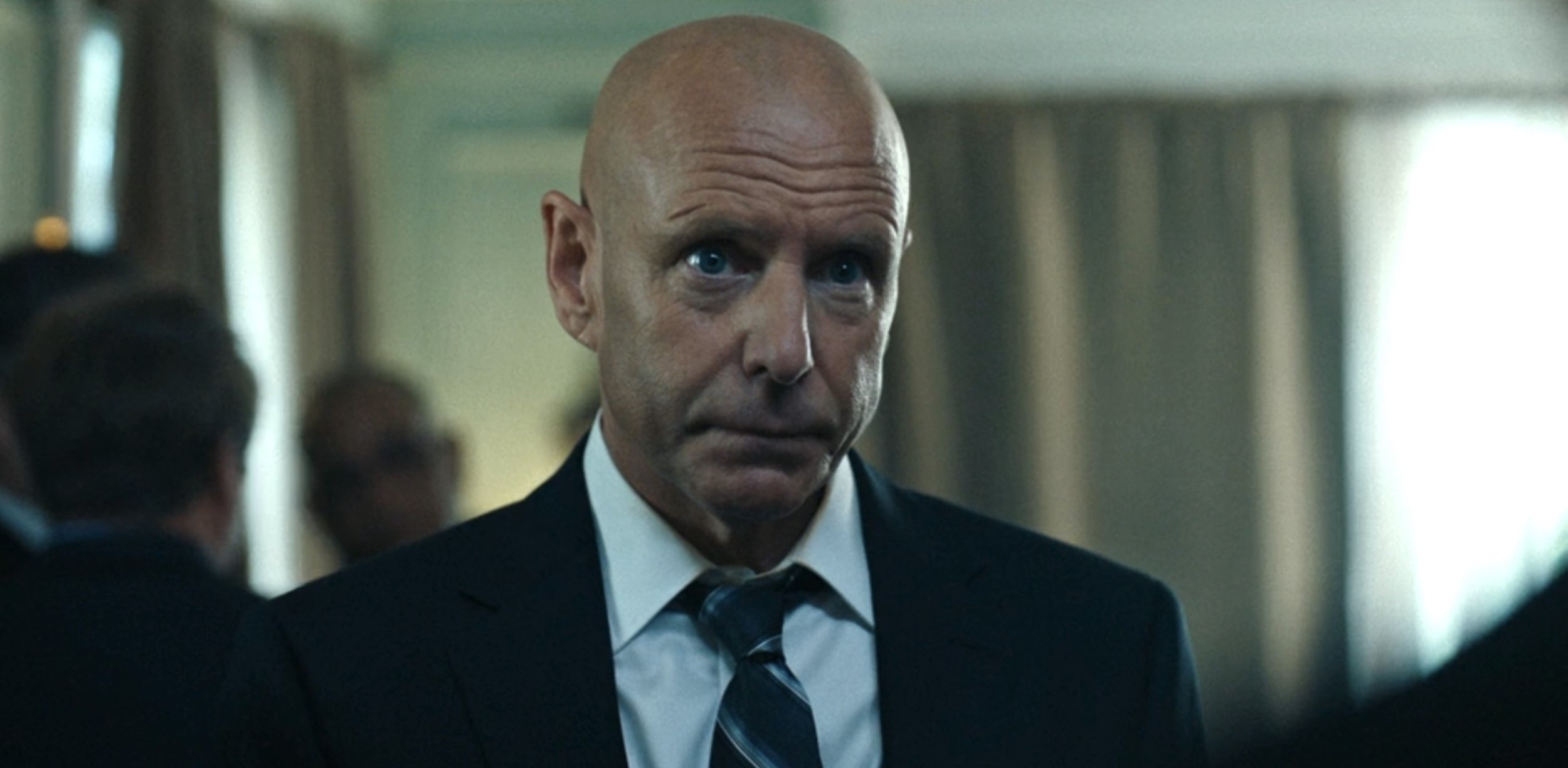
Co-creator of the show and one of several key supporting actors, Hugh Dillion, starts out as a foul-mouthed detective that I wondered why he relied on the McLusky’s so heavily. By the end of season one, because of the incredible performance Mr. Dillion gives, it no longer occurred to me to question his need to work with the Mayor of Kingstown. It’s an interesting role and the season three character arc alone makes it clear that Ian (Mr. Dillion’s character) could easily have his own episodes.
The other supporting actor I’d like to mention (although there are many who deserve it) is Tobi Bamtefa playing “Bunny”. I felt the same way about Bunny as I did about Ian in the beginning, you understood there was a formula to the show and that each of these characters had their place. The bad thing happens and Michael goes to his police buddies. They yell, tell him he needs to get control of the drug dealers (or gang members – which is complicated because Bunny is a drug dealer who is the outside connection for the Crips gang inside the prison) and then Michael makes his way to Bunny. Where a similar conversation occurs, Michael telling everyone they need to be smart and not do the violent/crazy/logical but wrong thing they want to do.
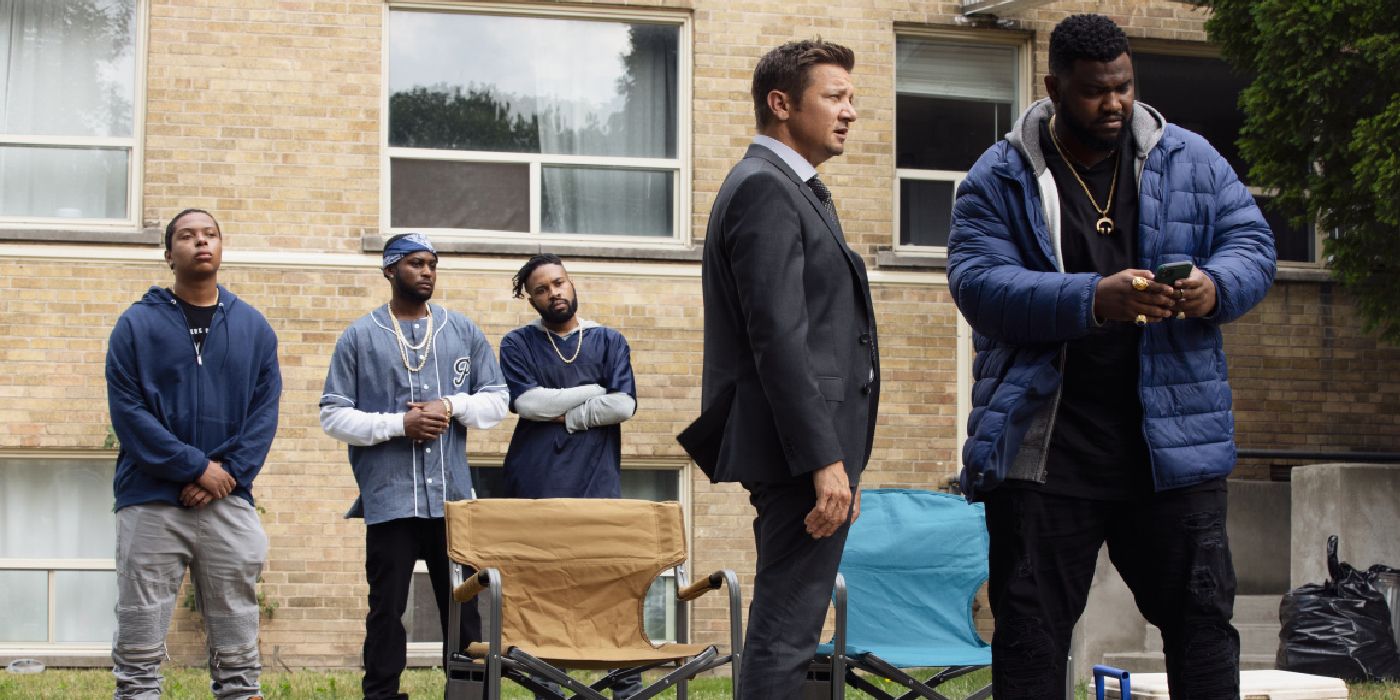
What comes to pass, and when exactly I could not tell you, is somehow these interactions stop feeling so transactional (and necessary for the plot to develop) and have a sense of realness to them that grounds the show. There is a push-pull dynamic to the Michael/Bunny relationship that doesn’t feel like fiction. These are two men who come to have respect for one another and even discover shared interests.
So, yes, this show is terribly bleak and most of the characters utter a line like, “This town, nothing good in it. Gotta get out of here!” every episode. And most of the time if you come to like a character or think a change will be good for them, it won’t. But. I would say after three seasons of watching I find myself rooting for most of the people on screen. Not all of them, some are truly terrible human beings. But most, despite their inability to make better choices or remove themselves for situations and people that cause them harm, I root for.
And given who many of these characters are and what I have seen them do, that is an impressive feat. The storytelling in Mayor of Kingstown is exceptional. During the first two seasons most of Miriam McClusky’s scenes are asides, things not essential for the overall story being told. Yet they provide a connective tissue between the other characters, sometimes overtly, sometimes not. It’s a finely crafted show and I find myself enjoying it, despite the bleakness, because the people making it care so much. You can feel that it matters to them and that, in turn, makes it matter to me.

 The Writings of John Ryan Sullivan
Leave a comment