
(This post contains spoilers)
As someone who has watched and enjoyed all four seasons of True Detective it feels strange to only now write about the show. Where was the urge after watching the previous seasons? I think the desire may stem, in part, from the lack of attention season four received compared to the previous seasons.
I seem to watch a lot of detective shows now but I can’t say this genre has ever interested me much. From a storytelling standpoint I get it. In fact my latest novel is essentially a detective novel (and come to think of it so is my first) just without a proper detective. Having a mystery to solve and a competent (or incompetent) person to solve it is a great method for telling a story.
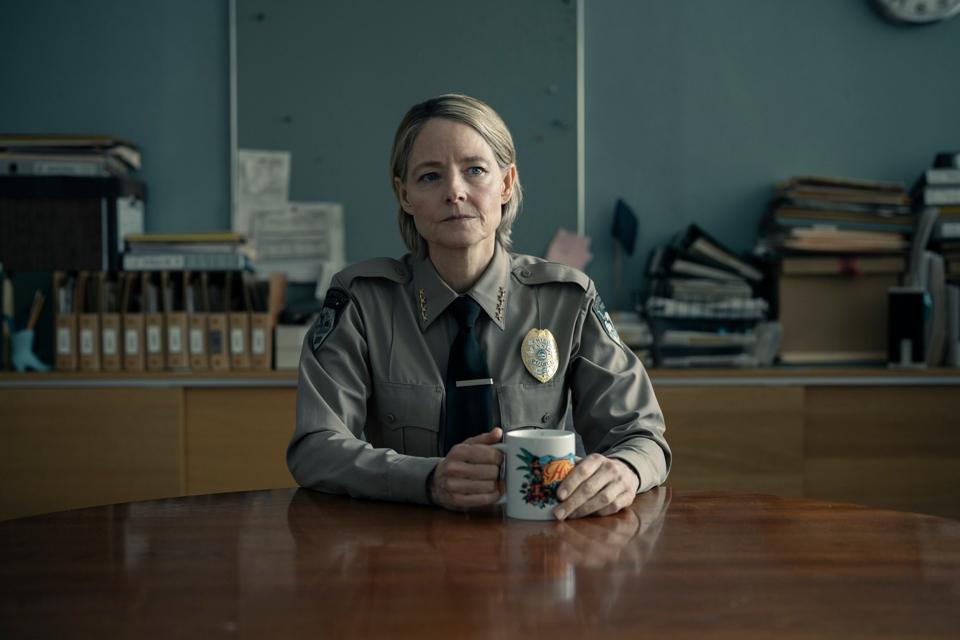
That being said part of what compels me to write about True Detective: Night Country boils down to Jodi Foster and Kali Reis. It isn’t just that the two of them are excellent in the show (which they are) or that Jodi Foster is playing against type and prior to watching this I was unfamiliar with Kali Reis. I feel compelled to write about Night Country because it is a story where the important characters are women and the main stories being told are about women.
That feels strange to write as there are certainly men in this show and several of them have important roles. Only by the end of the first episode it is clear that these two women are clearly in charge and will be handling matters.

I’m not sure if I’ve seen a detective show where both leads are women but I certainly haven’t seen one set in Alaska during Polar Night. Aside from the typical, egregious errors that all Hollywood productions make about filming in cold locations in winter (basically not understanding how people behave when it is really cold outside) this is an interesting concept for a television show.
So a few things about the plot. The show begins with a strange section showing a hunter setting his sights on a caribou. The Caribou sniffs, soon others follow suit and the hunter hesitates. The sun sets, the Caribou bellow and then they begin to run. The hunter watches, puzzled. The Caribou run to the edge of a cliff and together leap to their deaths. The Hunter sees this and is confused.
Having watched the entire show I can safely state, I, too, am still confused. At no point does this come up again. It is not explained by what takes place in the show (yes, group hysteria and acting against your own self-interest but what caused the caribou to act in the first place?) other than to be a heavy-handed metaphor. It’s just there, starting the series, for some reason.
Which is where I stopped watching the first time I came to Night Country.

Time passed and I found the courage to try again. So skipping past the mass death of the Caribou, we find ourselves in the fictional town of Ennis which is in the Arctic Circle. A delivery person has reported an incident at a remote research station and Jodi Foster, chief of the local police department goes to find out what happened. Long story short, a tongue is discovered but no people. Clearly something terrible has happened.
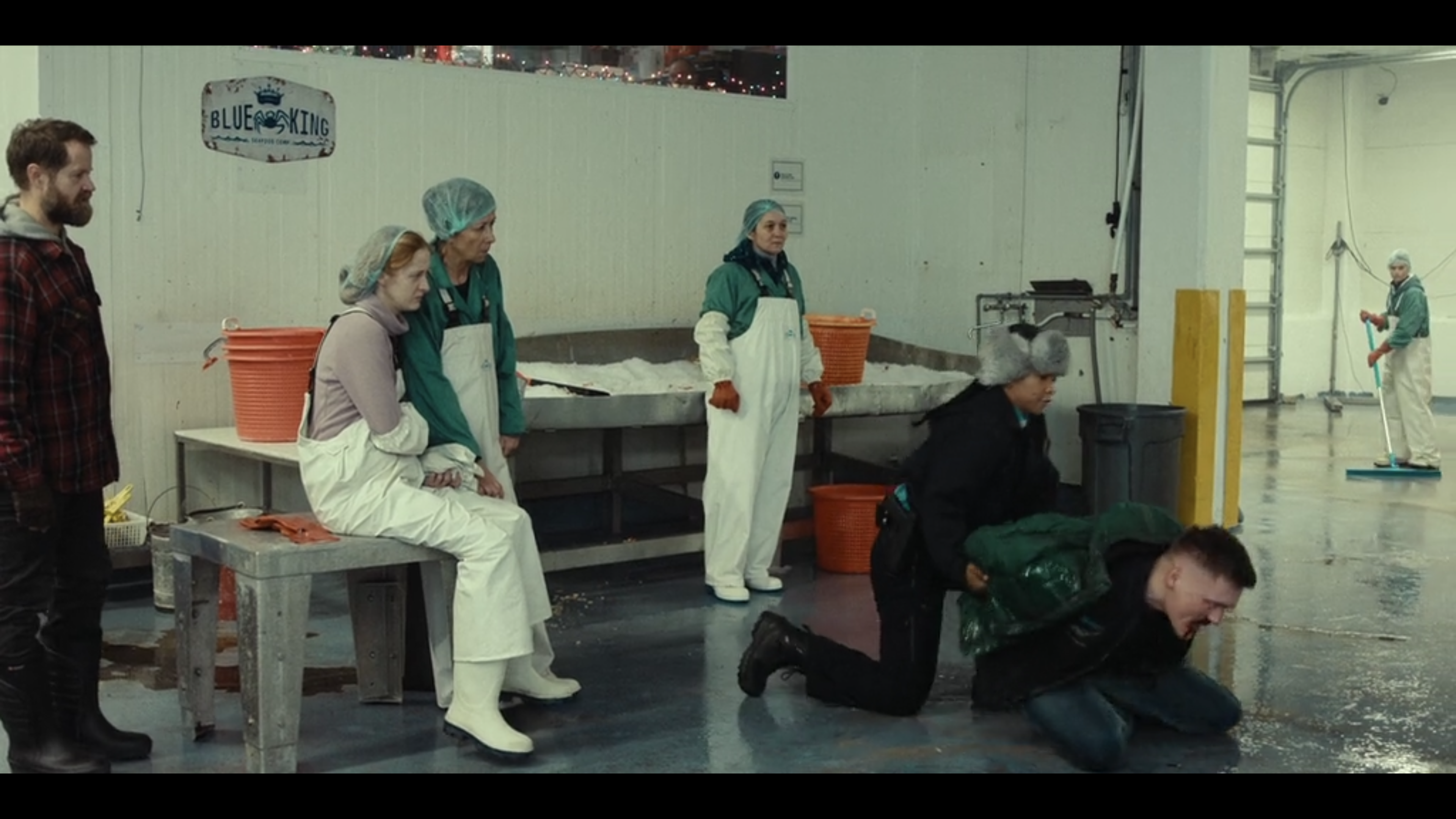
I should mention we’ve already met Evangeline Navarro, who is a state police officer, dealing with a case of domestic violence at a cannery. It is quickly established that she’s not impartial in this matter.
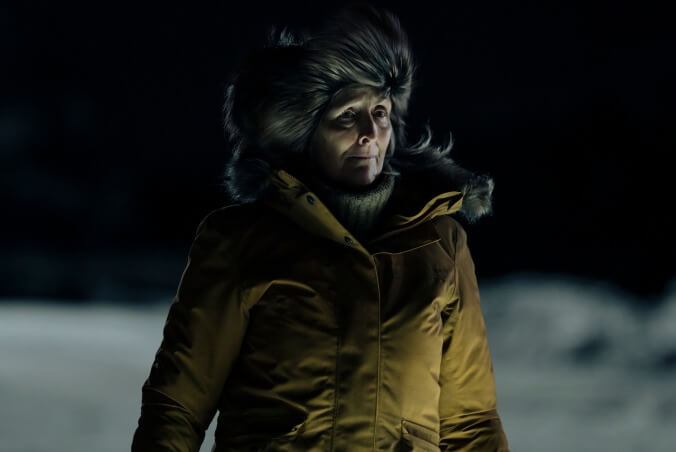
Soon after we meet Rose Aguineau, played by Fiona Shaw. She is visited by a barefoot man in the middle of a snowstorm so naturally she follows him into the wilderness after he wordlessly beckons her to do so. Some time later she finds a mass of frozen dead bodies.
So much of the show, like previous seasons is taken up with the procedural aspects of solving a criminal investigation. Here, the clump of frozen bodies has to be transported and thawed before any kind of forensic material can be recovered.
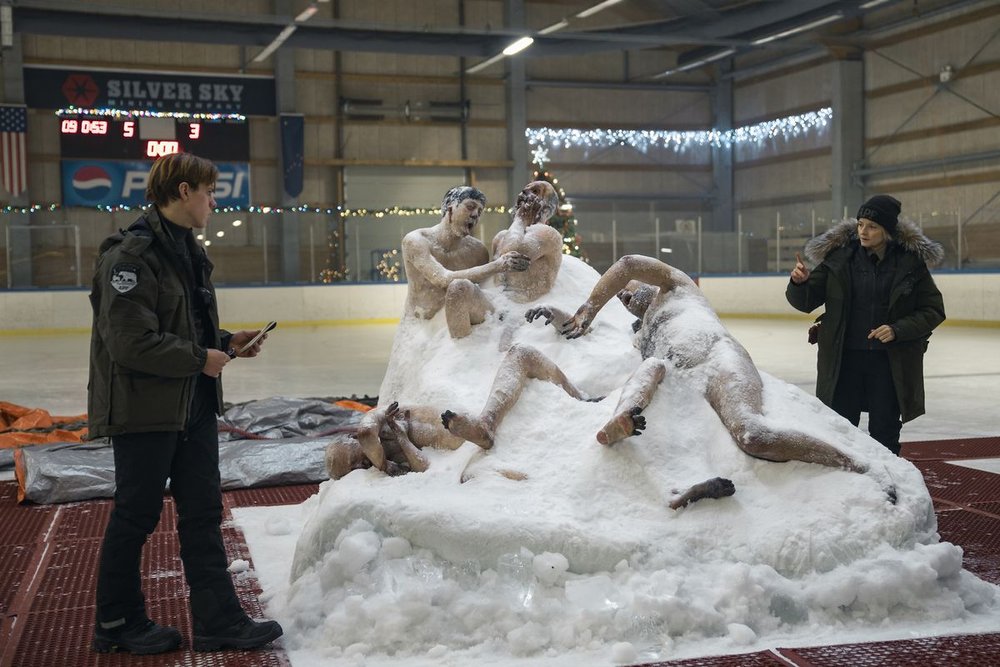
During the unthawing process we come to know our primary and secondary characters better.
One of the aspects I prefer about season four (and two) of True Detective is the somewhat straightforward narrative. Seasons one and three rely heavily on the different times the investigations take place, creating confusion and connections by jumping between them. In season four there are flashbacks and asides but mostly the story is told in a linear fashion.
Aside, of course, from the implied supernatural element.
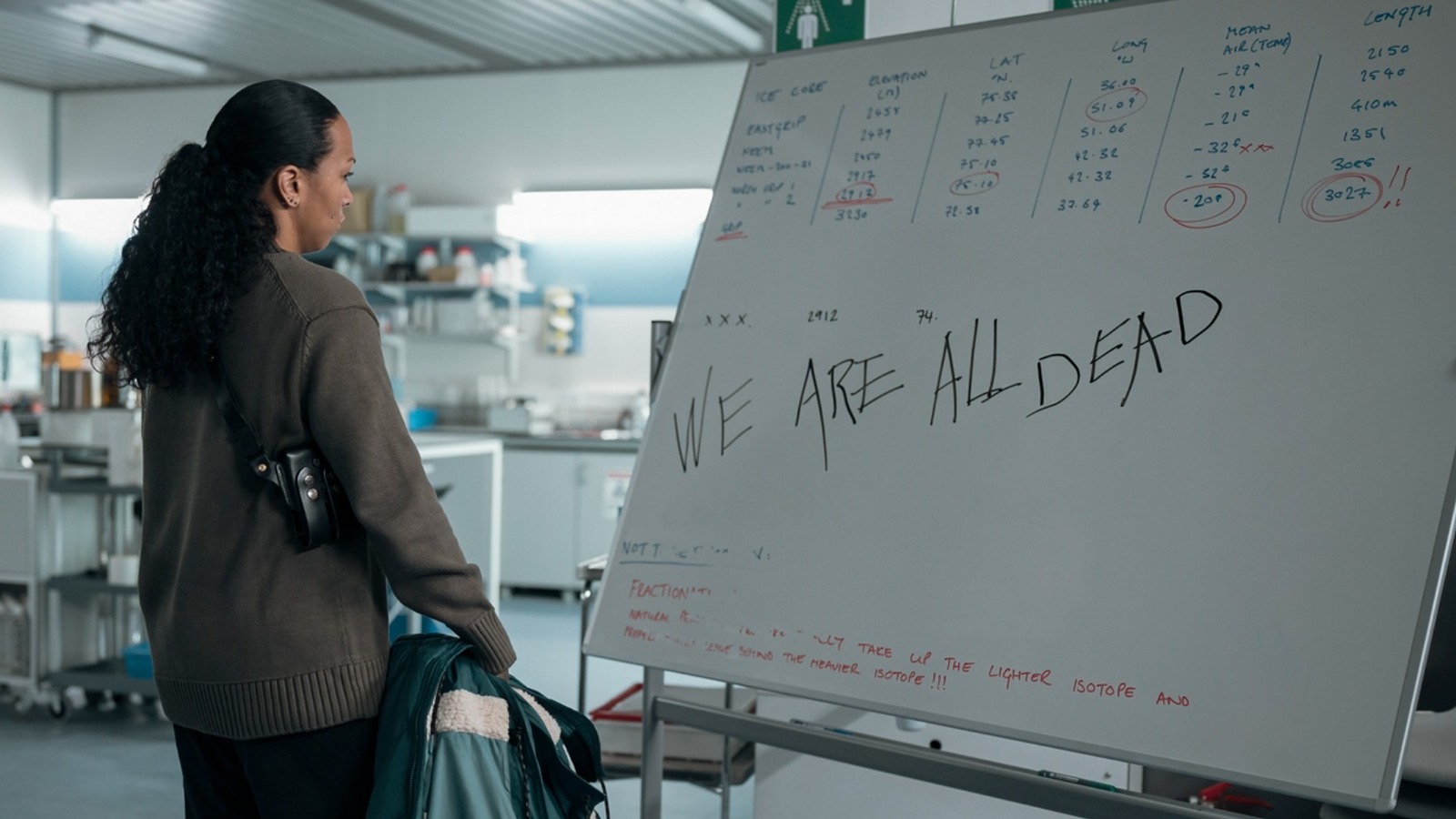
I don’t want to go through more of the plot, these shows rely heavily on not knowing what comes next and I am not trying to write a review.
What I do what to write is how much I appreciate the main characters of this season. Although Jodi Foster’s character is more central both women are given a lot to do and plenty of time to do it. The characters are a bit rough and unlikable. As a viewer there were certainly times when I pulled back, thinking “I don’t like that” when either one did or did not do something.
Which is quite nice, if you consider that the lead characters are women. Their likability and attractiveness is not the main concern of the show and it allows for complexity and interesting moments.
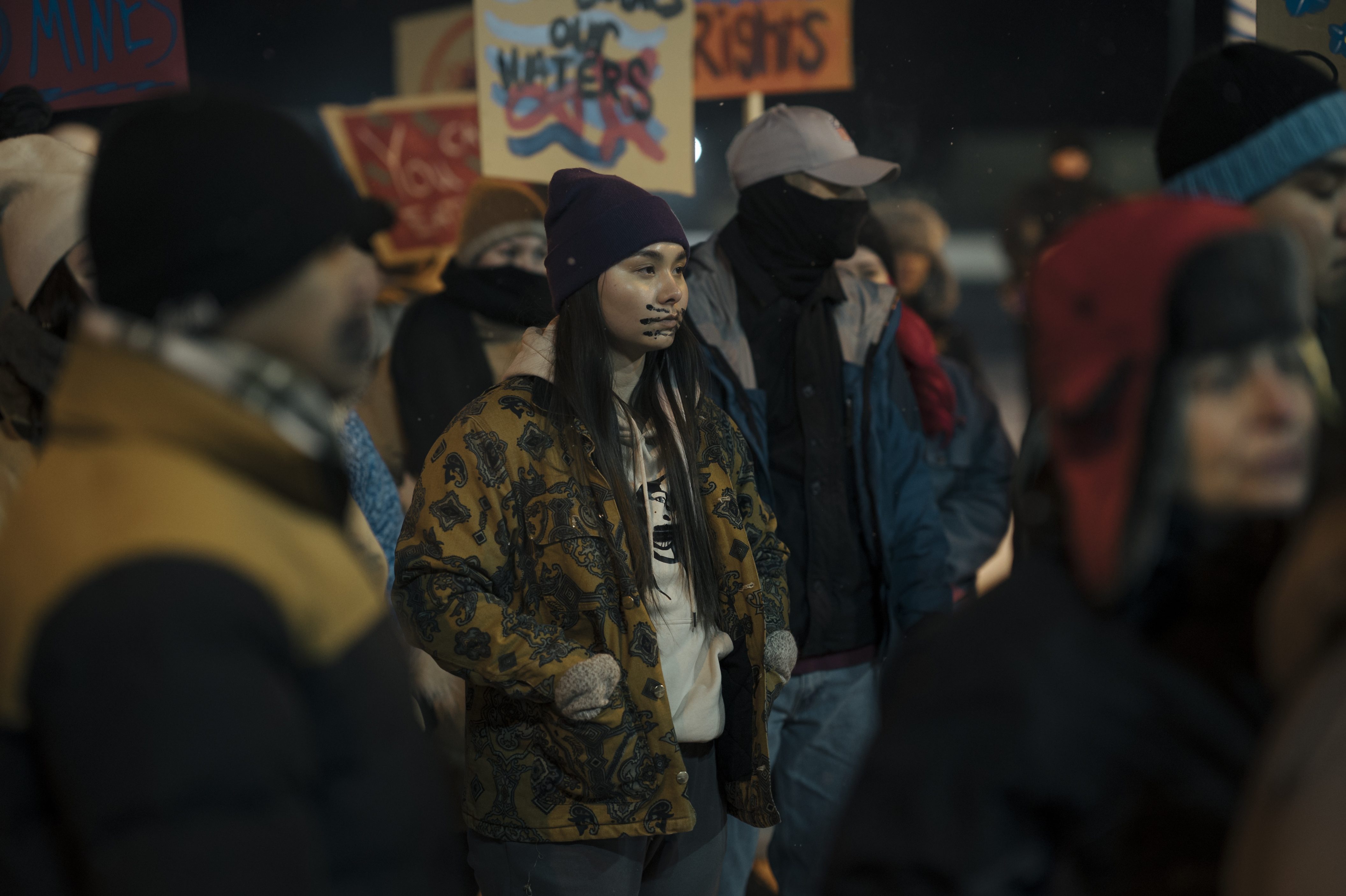
One of the best parts of this season has to do with the secondary characters. In prior seasons many of the spouses, children or friends felt more like plot devices than actual characters. I have this complaint often with television shows. Here, whether it’s a wayward sister, teenage daughter or sometimes lover (and Hello Kitty toothbrush user) – most of these secondary characters feel as though they live lives when not present on screen.
The conclusion of the frozen bodies case is interesting and, dare I say it, rewarding. I have no memory of how season two concluded despite enjoying the season. Anyone paying attention during season one should have realized early on that the investigation was not the focus of the show and that its conclusion was of little importance. My memory of season three splits the difference but, again, the focus seemed to be elsewhere.
With Night Country there are several questions that need to be answered and they are. That I was surprised by the conclusion and felt the pieces of this puzzle joined together in a satisfying way was pleasant. The show ends in a manner that feels true to the main characters without being maudlin or sappy. To pull that off, telling an original and unique story with interesting characters is quite a feat. But I’m still a bit miffed about the caribou.

 The Writings of John Ryan Sullivan
Leave a comment