(This post contains spoilers)
How should a person judge a film adapted from a novel? Is it fair to compare the two given the audio/visual nature of the film? Frank Herbert most likely never imagined bagpipes in space while writing Dune, yet here we are and they are amazing.
Part of why I’ve resisted writing about Dune part two, has to do with these questions (I did write about part one here although with trepidation). Neither part one or two captures the novel in the way I experienced it. Yet part one, at least, offered interesting alternatives with its many changes.
I read Dune (and the rest of the Dune novels) when I heard the film was set to be released. I’m not much of a science fiction person so the books themselves never held much attraction. I’ve tried to make a point of reading novels before seeing film adaptations because generally adaptations fail to match their source material (with the exception of Cloud Atlas which exceeds the novel). I know I’m not alone in feeling this way (about adaptations, not Cloud Atlas which is maddening – what took hundreds of pages was done in seconds due to the nature of film and yet!).
When I first saw part one I was confused. Happy, but confused. The novel was somewhat fresh in my mind but I had read a good number of books after and I felt I may have forgotten or confused some parts of the story. Liet Kynes for example, wasn’t that a man? And wasn’t that man terribly important to the story?
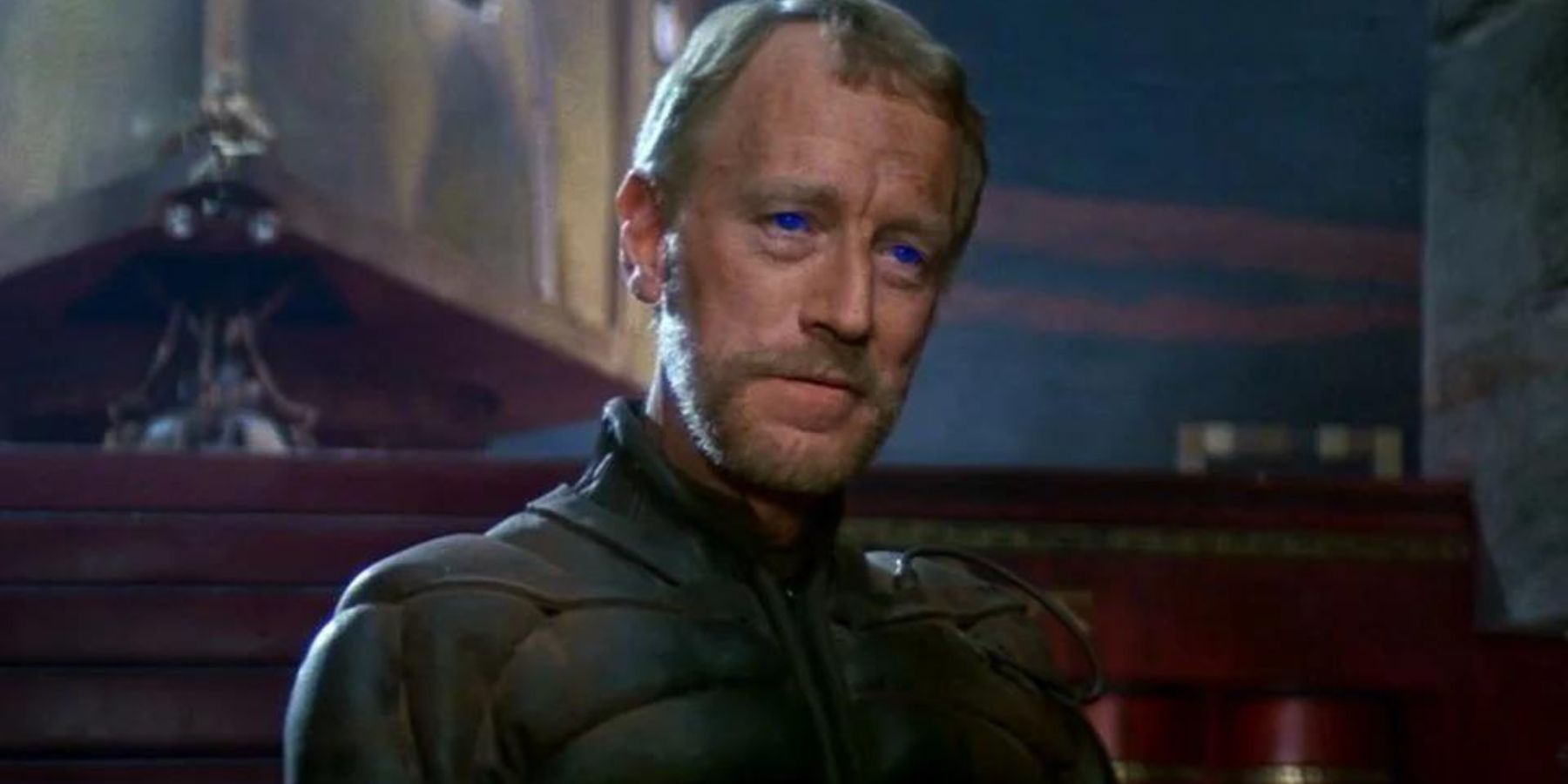
In the novel, yes and yes. In addition to being the emperor’s Imperial Ecologist and Judge of the Change, Kynes is also the leader of the Fremen on Arrakis. Oh, and Chani’s father. No biggie. I can imagine in adapting the work there was a feeling that audience members would be overwhelmed with the multitude of characters and giving most of Kynes’ importance to Stilgar made more sense. Which I wholly support and understand.
So while there were changes that confused me (altering the opening of the story, omitting the bulk of the interaction between Paul and the Reverend Mother Gaius Helen Mohiam) I generally enjoyed the film. I watched it multiple times, absorbing and trying to process the differences.
I cannot fault director Denis Villeneuve for breaking the film into two parts. It’s a long work that needs time to develop the story (and the previous attempt made it clear this was not the way). Making part one without the assurance of part two must have been fraught for him. I think, ultimately, that it hindered part two because they lost their momentum and what follows feels quite different. Anyone who has taken a break in the middle of a project can appreciate this. Your mental state, energy levels and general desire to work varies by hour, let alone year.
I can appreciate that part one lays out the many characters/worlds/stakes of Dune. Languages, hand talk, what spice is and does let alone the various groups and factions at play are explained in an understandable manner in part one. Relatively quickly we come to understand who Paul is and why he is important, all while being fed a steady diet of information. Part one is a balanced film.
This balance is lacking in part two. Paul is seeing his visions more clearly and he does not want to go South! His mother is pregnant and after the spice agony talks to her unborn daughter! Stilgar is convinced the messiah has come and aside from telling people to not waste water (and that Paul is the Lisan al Ghaib) does little else.

In short most of the complaints others have lobbed against this film are mine. I get it, this part is harder to tell because Paul is meant to wrestle with the idea of following a path he hates but will lead to the betterment of society. Chani is angry and pouty and generally unimpressed with Paul and his (in)actions. The locations don’t vary as much in part two, the characters are generally less interesting and complex (looking at you Harkonnens) and most of the action is meant to wow with its scope and scale.
Perhaps I’m jaded but people riding sandworms doesn’t wow me. Spice freighters being blown up doesn’t wow me. Giant cgi battles with sandstorms and ships firing lasers at one another doesn’t wow me. I wish these things did but our relatively newfound ability to put anything on the screen (and have it look realistic) has rendered nearly everything we put on the screen less than wow-worthy. It’s the trade-off of reaching this point. The shark looks real but its realness is not what makes it scary.
:max_bytes(150000):strip_icc()/Dune-Arakis-Worm-c67475929b6943f49dd1892b175d7b84.jpg)
So much of what makes Dune part one work is that the actors had time and opportunity to develop their characters. Paul and his mother having a battle of wills at the breakfast table, Paul and his father discussing what it means to be a Duke while walking among gravestones, Paul and Gurney discussing being “in the mood” to do battle. Several of the big deaths in part one: doctor Yueh, Duke Leto, Duncan Idaho – carry emotional weight because we came to know and understand them before they died. Even the death of Jamis is meaningful in part one, because of what it symbolizes for Paul and how it alters the story being told.
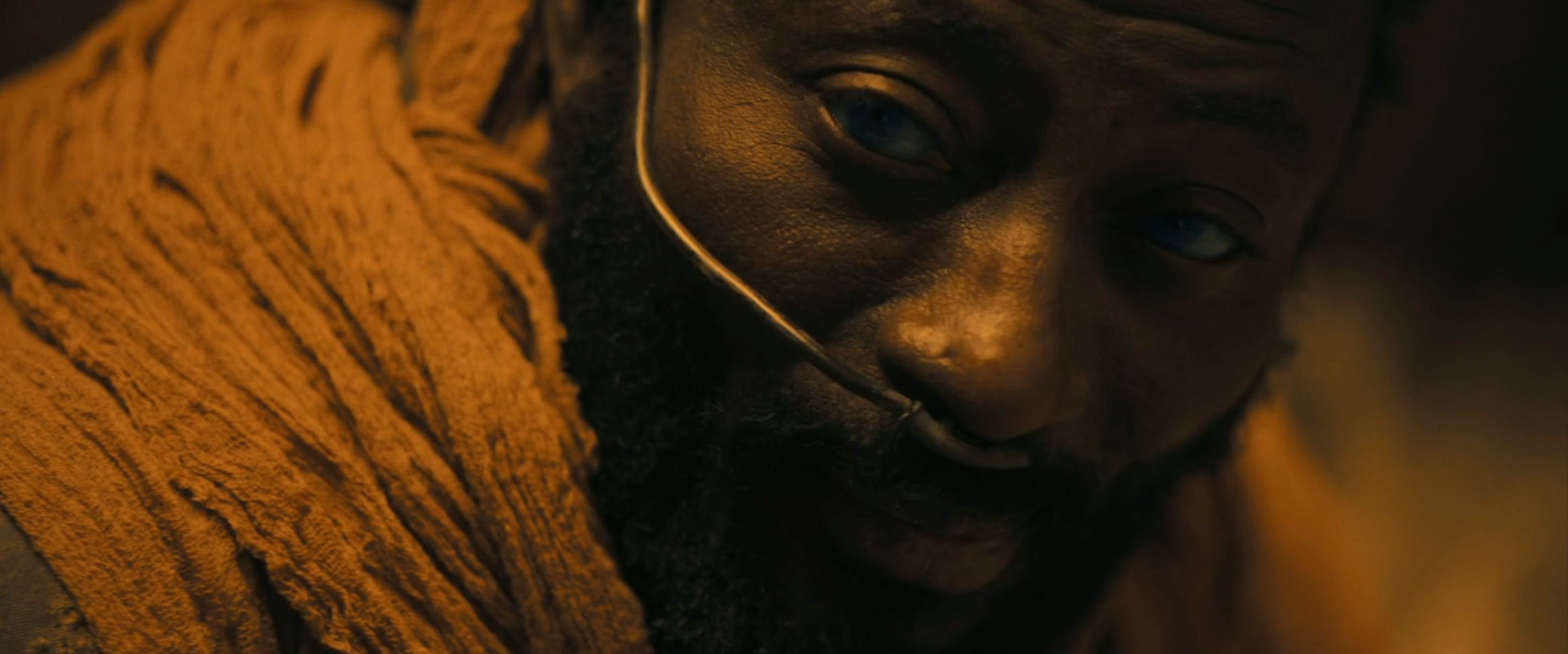
I’m not sure if any of the deaths matter in part two. Or better, if any of the big moments matter. When Paul decides to go south, first rides a sandworm or announces himself to the Fremen as their leader these are meant to be big moments but none match the emotional magnitude of the events from the first film.
If I’m honest I’m not entirely sure why this film doesn’t work for me. There are plenty of parts of part one I don’t love or think could be better. But as a whole, and I say this considering the film as something with a beginning middle and end, it works. It works despite stopping the story in the middle and it works despite never fully exploring most of the important themes from the novel. Part one tells the story of a young man at the beginning of a journey and everything that happens to him.
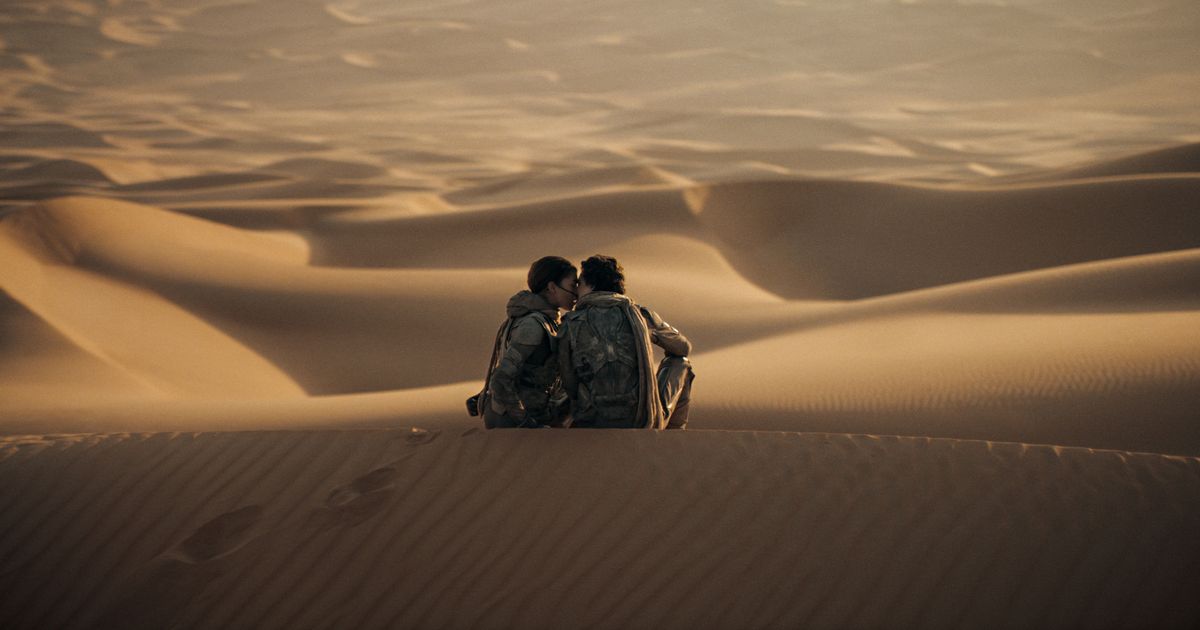
Part two should work but doesn’t. Separating Paul from his mother (after losing everyone else in his life), trying to build a love story with Chani, attempting to show the relationship being forged with Stilgar – all feels like the correct pieces to assemble to create a story but it fails to coalesce into something coherent and meaningful. I think the reason for this is we are told, through other characters or referring to events we have not seen, that these things have happened. Stilgar has decided to follow Paul but there are few scenes where we see their relationship develop. Chani and Paul have copious amounts of screen time together but whatever spark is meant to fly is hidden from my eyes.
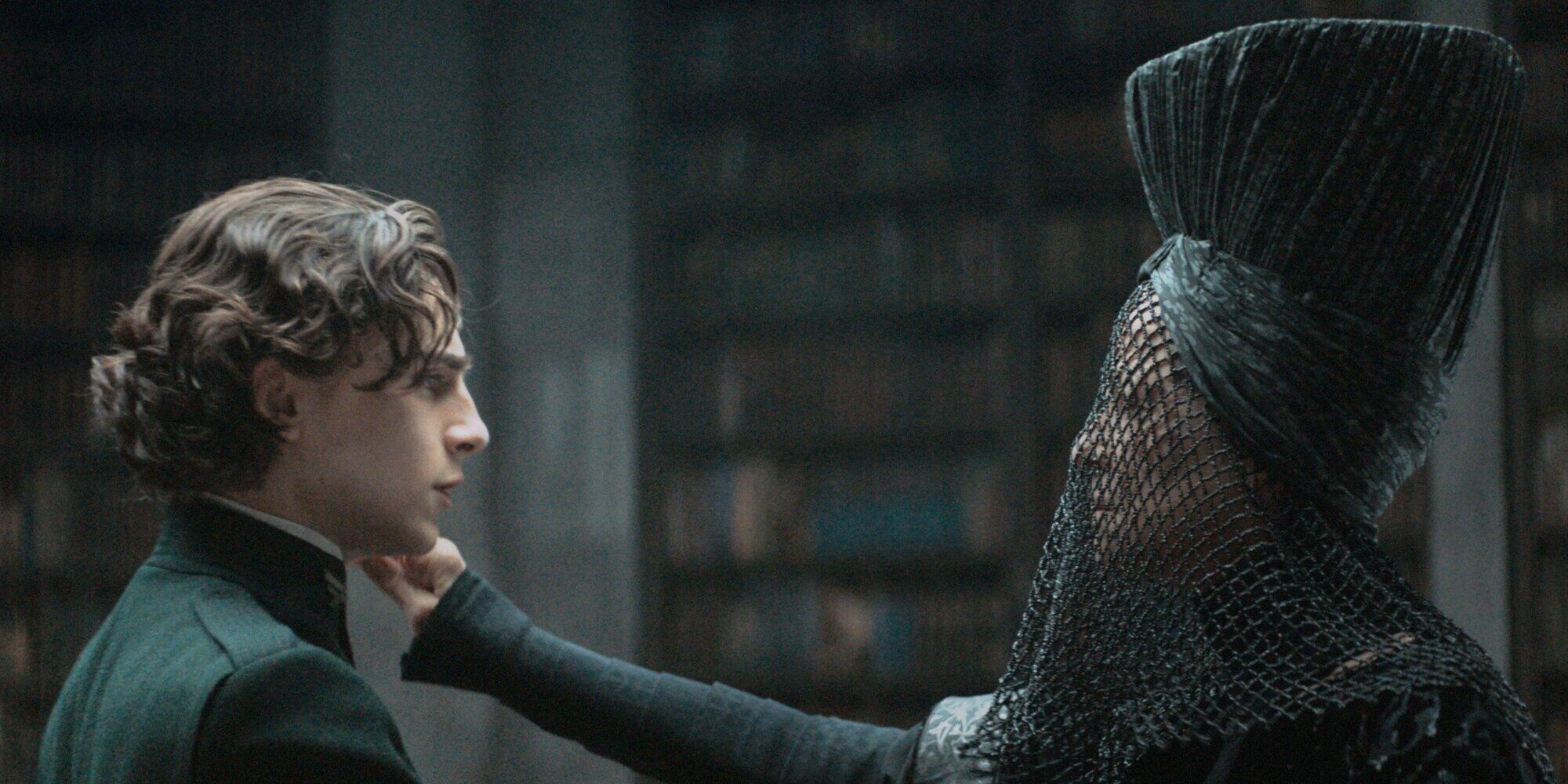
Earlier I referenced the beginning of the novel, most of which is omitted in the film. The essence of the scene is the same, Paul is tested to see if he can keep his hand in the box. What is omitted is why he is tested. In the movie there is the notion of him overcoming his base, animal instincts and relying on his mind to deal with the pain. There is quite a bit in the novel about the Bene Geserit and their aims through their breeding program to get rid of these undesirable qualities and steer humanity in what they consider a better direction.
It is an important bit of exposition for Paul as, ultimately it is what he chooses to do with his life. By heeding his visions, despite how badly they end for him (and his people), he chooses a path he believes betters humanity and brings stability to the known universe – (via terrible warfare and bloodshed). I think more time spent with these notions in part two, with him discussing such matters with his mother or even Chani, would have improved the film.
Or perhaps I am wrong as so many people seemed to love this film and find no fault with it. For me the difference in quality between the two parts is staggering. From the performances, to locations and what they told you about the inhabitants to what actually transpires on screen. For such a long film it feels like so little of importance takes place in it.


Leave a Reply